×

SEARCH



Urban furniture refers to the equipment installed in public urban spaces such as streets, squares, parks and gardens for everyone to use. This equipment is highly varied, ranging from simple elements such as benches and litter bins to more complex structures such as escalators and bus stops. This article considers the functions of urban furniture and its contribution to urban beautification.
Urban furniture plays a key role in improving residents’ quality of life. These facilities contribute to a city’s beauty and identity while also supporting people’s comfort and well-being.
The Functions of Urban Furniture:
Service functions: This category includes facilities designed to provide public services, such as bus and taxi stops, telephone kiosks, drinking fountains and public toilets.
Comfort and convenience: Benches, litter bins, escalators, traffic and wayfinding signs, and dedicated routes for cyclists and people with disabilities fall within this category.
Aesthetic functions: Decorative elements such as sculptures, fountains, planters and lighting enhance a city’s beauty and identity.
Social functions: Parks, playgrounds and gardens provide places for social interaction and support residents’ mental and physical health.


Meeting residents’ needs: Urban furniture should be designed and installed in response to the community’s needs and culture, taking account of local climate and geography.
Safety and durability: Quality materials and sound design help ensure the safety and service life of these facilities.
Beauty and harmony with the surroundings: Urban furniture should reflect the city’s identity and character and contribute to the visual quality of its setting.
Easy access: Everyone, including older people, people with disabilities and children, should be able to access urban furniture easily.
Maintenance Challenges
Limited funding: Many cities lack sufficient financial resources to equip and maintain their public spaces.
A lack of comprehensive planning: In some cases, the design and placement of urban furniture lack coordination and consistency.
Damage and vandalism: Damage to public furniture highlights the need to build a stronger culture of care for shared spaces.
Urban furniture plays a key role in a city’s beauty and identity. Attractive elements that suit their surroundings can significantly improve the city’s visual appeal and strengthen residents’ sense of belonging.
Attractive and creative design: Urban furniture should follow aesthetic principles and respond to its setting. Appropriate colours, imaginative lighting and artistic elements can enhance its appeal.
Variety and suitability for the space: Varied designs that match how a space is used help prevent monotony. Parks, for example, can feature cheerful, colourful elements, while streets may benefit from simpler, more practical furniture.
Quality and suitability for the climate: High-quality materials that withstand local weather help urban furniture remain attractive and last longer.
Maintenance and cleaning: Proper upkeep and regular cleaning prevent premature deterioration and damage, preserving the freshness and beauty of public spaces.
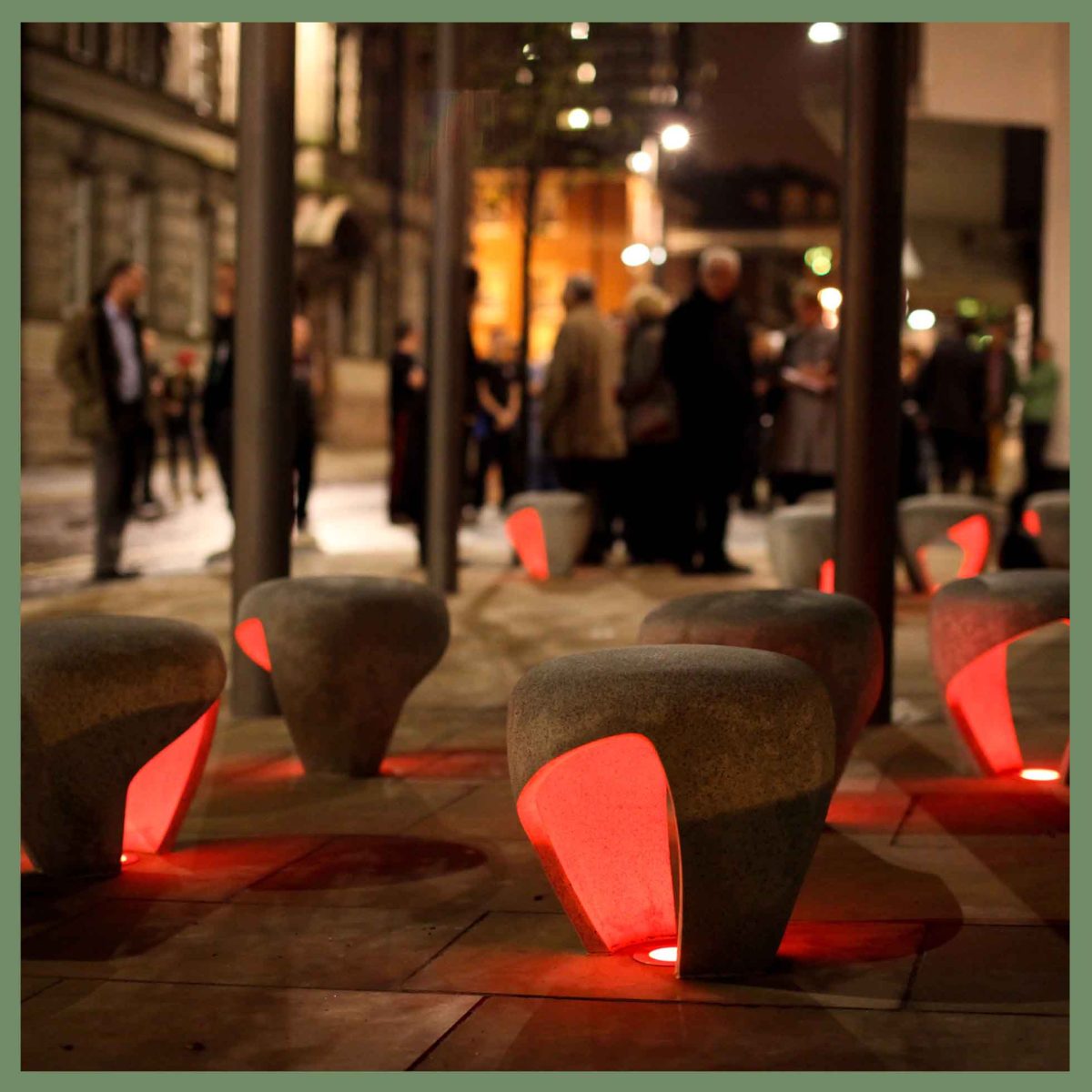

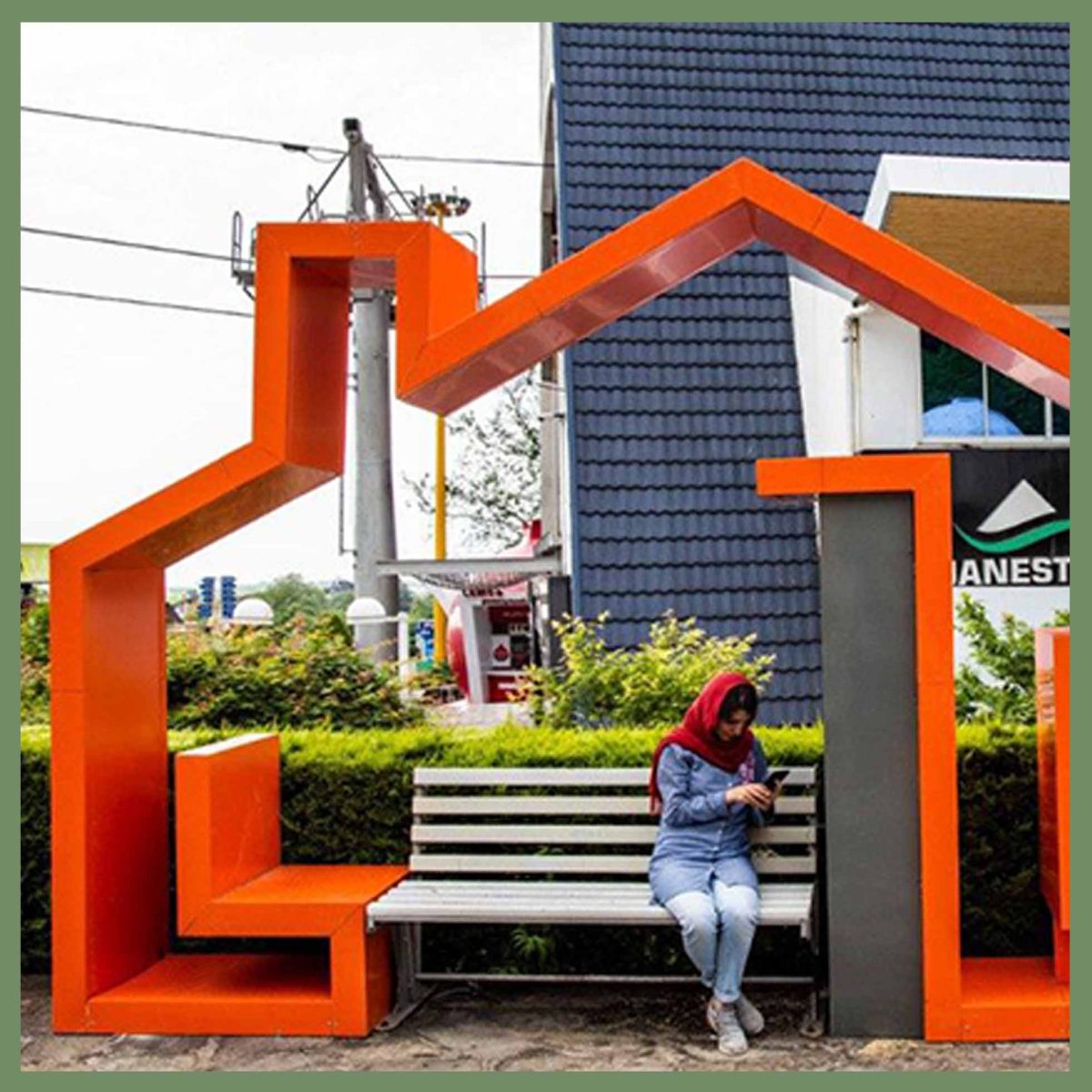
The Benefits of Attractive Urban Furniture:
Improving quality of life: Well-designed, harmonious urban furniture can lift residents’ spirits and support a sense of calm, contributing to their quality of life.
Attracting visitors: A city’s beauty and visual appeal can help attract tourists and support its economy.
Strengthening identity and character: Cultural and artistic elements in urban furniture can reinforce a city’s distinctive identity.
Creating a sense of belonging: Attractive, coherent surroundings strengthen residents’ connection to their city and their willingness to care for it.
Attractive urban furniture that fits its surroundings supports both residents’ quality of life and the city’s identity. Design principles, quality materials, suitability for the space and climate, and regular cleaning and maintenance all contribute to its beauty and usefulness.
Alongside its visual qualities, urban furniture should function well and fully meet residents’ needs.
As an integral part of the cityscape, urban furniture plays a vital role in improving quality of life. Sound design, quality materials and harmony with the surroundings, supported by comprehensive planning and public awareness, can improve both the function and beauty of the city.